What Should Never Go Down the Drain? A Little Rock Plumber's List
That clog didn't start on Thanksgiving. Most clogs build up one spoonful at a time from things that seemed harmless. Grease cools, coats the pipe, and traps the scraps that come after it. By the time water backs up, the clog may be deep in the line.
This guide covers what should never go down the drain. You'll learn which kitchen foods cause the worst clogs and which DIY fixes really work.
We'll walk through our top 10 list and the truth about baking soda, vinegar, and Dawn. We'll explain why so many Little Rock homes clog more than you'd think. We'll also share simple habits that keep pipes clear. Last, you'll learn the signs a clog has moved past the sink.
What Should Never Go Down Your Drain?
- Grease, fat, and cooking oil, including olive oil
- Coffee grounds
- Eggshells
- Rice and pasta
- Potato peels and fibrous veggies
- "Flushable" wipes
- Dental floss and hair
- Pads, tampons, and diapers
- Most medicines
- Paint and harsh chemicals
Your toilet should only take waste and toilet paper. In the kitchen, wipe greasy pans and put food scraps in the trash.
Already dealing with a slow drain? See our clogged drain cleaning in Little Rock.
10 Things That Should Never Go Down the Drain
- Grease, fat, and oil. Hot grease slides down easily, then cools and coats your pipes. Olive oil coats them too.
- Coffee grounds. They clump together in water instead of dissolving. Over time, they build into a clog.
- Eggshells. Wet shells cling to pipe walls. Their sharp edges catch the scraps that come after them.
- Rice and pasta. Both soak up water and swell. In a disposal, rice turns into a thick, starchy paste.
- Potato peels and fibrous veggies. Peels and carrot shavings don't dissolve. They tend to get stuck in the pipe.
- "Flushable" wipes. They don't break down like toilet paper, no matter what the label says.
- Dental floss and hair. Floss wraps around other waste. Hair clusters in the line and catches other items.
- Pads, tampons, and diapers. These never break down in the sewer. Diapers also swell when they get wet.
- Most medicines. Take them to a drug take-back site instead. Arkansas Drug Take Back lists drop-off locations across the state.
- Paint and harsh chemicals. Paint coats your pipes and hardens, and harsh chemicals can pollute water. In Little Rock, dry leftover latex paint with kitty litter and trash it. Oil-based paint goes to a hazardous waste drop-off.
Foods That Clog Pipes the Most (Kitchen Sink Edition)
Is it okay to put olive oil down the sink? No. Olive oil doesn't harden like bacon grease, but it still coats your pipes. That film traps food scraps and builds a clog over time.
Should coffee grounds go down the sink? No. Grounds clump together in water instead of dissolving. Over time, they build up and block the pipe.
Your garbage disposal isn't a free pass. A disposal grinds food into smaller pieces. That doesn't make the food safe for your pipes. Ground-up rice, for example, turns into a thick, starchy paste.
| Food | Safe for the sink? | Do this instead |
|---|---|---|
| Bacon grease | No | Let it cool, pour it in a can, and trash it |
| Olive or cooking oil | No | Wipe the pan with a paper towel first |
| Coffee grounds | No | Trash or compost them |
| Eggshells | No | Trash or compost them |
| Rice and pasta | No | Scrape plates into the trash |
| Potato peels | No | Trash or compost them |
Need a grease can? Little Rock Water Reclamation Authority gives out a free Can the Grease kit with a can and liners.
Is your kitchen sink already slow? See our kitchen sink drain cleaning. If your disposal hums or jams, our garbage disposal repair can help.
Run a restaurant? See our grease trap installation for restaurants.
What Never to Flush Down the Toilet or Bathroom Drain
The truth about "flushable" wipes
A wipe can go down the toilet and still clog the pipe. A California sewer district tested popular wipe brands in a real sewer line. Nine out of 10 "flushable" wipes did not break down, but toilet paper did (source). Keep a small trash can by the toilet instead.Keep these out of your toilet too:
- Dental floss. It wraps around other waste and forms clumps.
- Pads and tampons. They never break down and can cause backups into your home.
- Diapers. They swell in water and can clog your toilet and the city's sewer pipes.
- Medicines. Unless the label says to flush it, take it to a drug take-back site.
Do Baking Soda, Vinegar, and Dawn Really Unclog Drains?
Never add drain cleaner on top. If a home remedy didn't work, don't follow up with a store-bought cleaner. Mixing drain products, homemade or not, can be dangerous. Stick to one product at a time.
Dawn and hot water. Dish soap like Dawn and hot water can help loosen grease buildup in a slow kitchen drain. Squirt some in the drain, then follow it with hot tap water. Skip boiling water, since PVC pipes are made for water up to about 140°F.
Chemical drain cleaners. These can be risky in older homes with worn pipes. They create heat that can melt cheap, flexible plastic drain parts under the sink. Never use them in a toilet, because the heat can crack the porcelain (source).
| DIY fix | Works for | Doesn't work for |
|---|---|---|
| Plunger | Clogs near the drain | Clogs deep in the line |
| Baking soda + vinegar | Freshening a drain | Real clogs |
| Dawn + hot water | Slow drains from grease buildup | Hair or tree roots |
| Chemical cleaner | Some grease and hair clogs | Full blockages, toilets, and older pipes |
When to stop trying DIY fixes. Try a plunger first. If the drain is still slow, stop pouring things in. A clog that seems to be in your sink may really be farther down a bigger drain line.
Want it cleared the right way? Call us at 501-585-5454.
Why Little Rock Homes Clog More Than You'd Think
If your home in Hillcrest, the Heights, or Midtown was built before the 1970s, your sewer line may be an older material. Homes from that era used clay, cast iron, or Orangeburg sewer pipe.
Orangeburg pipe is made from wood pulp and tar. It was used to connect homes to city sewers from about 1940 to 1970 (source). After about 30 years, it starts to flatten and warp, and tree roots can tear it apart.
Two other local factors add to the problem:
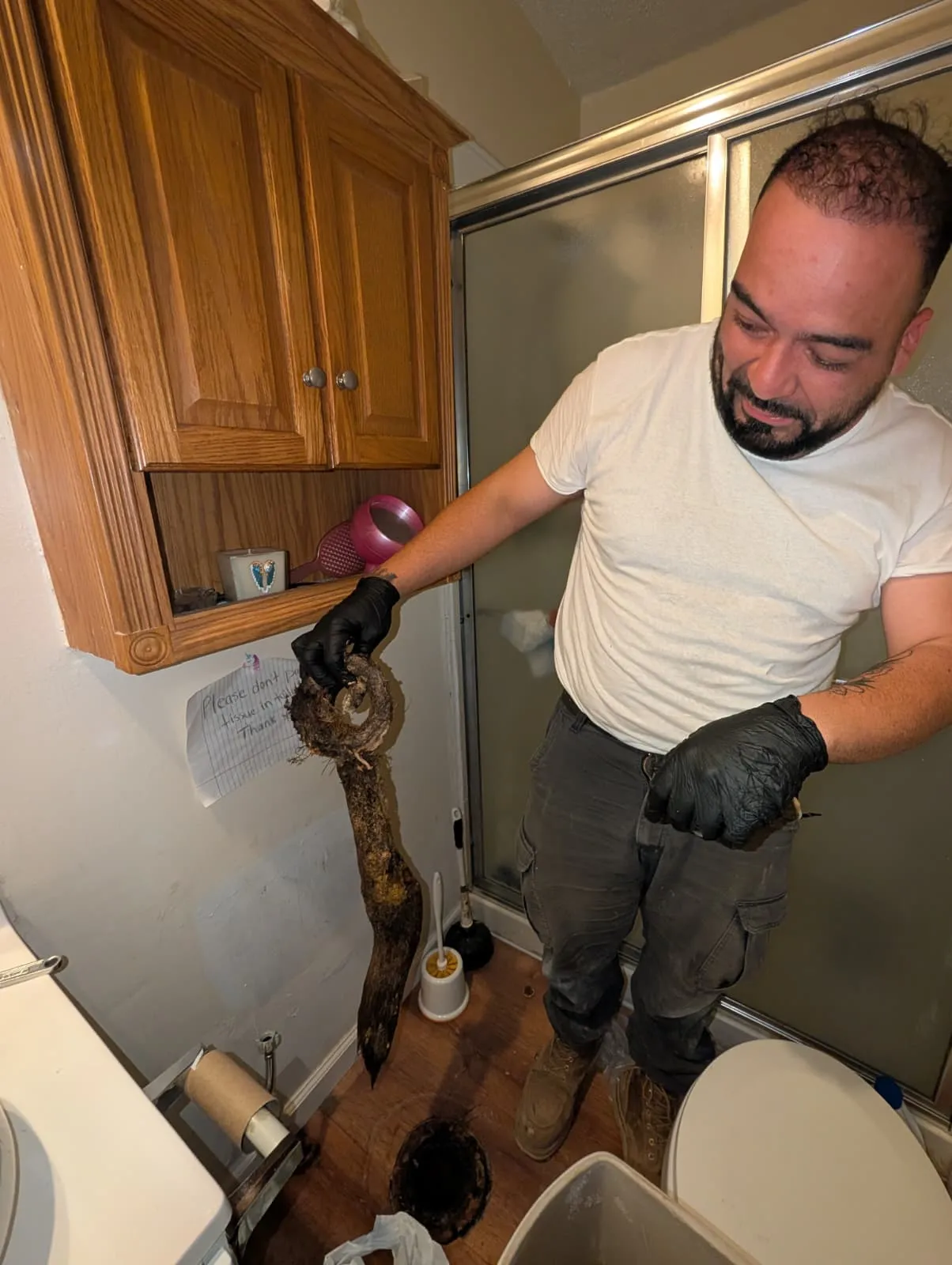
- Tree roots. Roots can work their way into aging sewer lines. Weak, worn-out Orangeburg pipe is easy for roots to break.
- The soil around your pipe. Ground conditions affect how long a sewer line lasts. Orangeburg can also flatten under the weight of soil over time.
If your line needs a full replacement, you may qualify for help. The utility's Sewer Service Line Replacement Program reimburses eligible single-family homeowners up to $2,500. Lines that are worn out, collapsed, or below current standards can qualify.
Not sure what your line is made of? A sewer camera inspection lets you see what's really down there.
What Plumbers Recommend to Keep Drains Clean
- Keep a grease can by the stove for drippings and used oil.
- Wipe greasy pans with a paper towel before you wash them.
- Scrape plates into the trash before you rinse them.
- Put a strainer in every sink and a hair catcher in every tub and shower.
- Flush only the 3 Ps: pee, poop, and toilet paper.
Professional drain cleaning clears out the sludge a plunger leaves behind. For older lines with repeat clogs, ask us about hydro jetting.
Signs It's More Than a Simple Clog
- More than one drain is slow at the same time.
- Your toilet or tub gurgles when another fixture runs.
- You smell sewage, or water backs up into your tub or floor drain.
- The same clog keeps coming back after it's been snaked.
Diamond State Plumbing is a family-run Little Rock company. Angel Bahena is a master plumber, and he and his brothers David and Eloy are licensed and background-checked. We find the real cause and tell you what we're doing as we go.
Already have a quote from someone else? Bring it to us, and we'll tell you straight whether their price is fair. We also offer financing on every job.
When a drain won't clear, talk to a plumber in Little Rock who gives straight answers. You can read our reviews and get directions on our Google Business Profile.
Common Questions
Baking soda and vinegar cancel each other out, so they rarely clear a real clog. The fizz looks busy, but what's left is mostly water. If you pour drain cleaner in after it, mixing products can be dangerous.
Dawn and hot tap water can help break up a grease clog in a kitchen sink. It won't help with hair or tree roots. Use hot tap water, not boiling, to protect PVC pipes.
No, olive oil coats your pipes even though it stays liquid. Wipe the pan with a paper towel and throw the towel away.
Cooking grease is one of the leading causes of clogged pipes. Coffee grounds, rice, and eggshells make it worse when they mix with that grease.
No, most "flushable" wipes don't break down in the sewer like toilet paper does. Put them in a trash can by the toilet instead.
Only if the label tells you to. Take most medicines to a drug take-back site. Arkansas Drug Take Back lists drop-off locations across the state.
No, paint coats your pipes and hardens. In Little Rock, dry leftover latex paint with kitty litter, leave the lid off, and put it in the trash. Oil-based paint goes to a hazardous waste drop-off.
You are. Little Rock Water Reclamation Authority says homeowners own the line from the house to the city main. If it needs a full replacement, you may qualify for up to $2,500 back through the utility's replacement program.
Plumbers recommend simple habits like a grease can by the stove and strainers in every sink. Use hair catchers in tubs and only flush the 3 Ps. For older lines with repeat clogs, ask about professional cleaning or hydro jetting.
Get In Touch
Have any questions? Contact us today for expert services in Little Rock and neighboring communities. Let us handle your plumbing needs!