
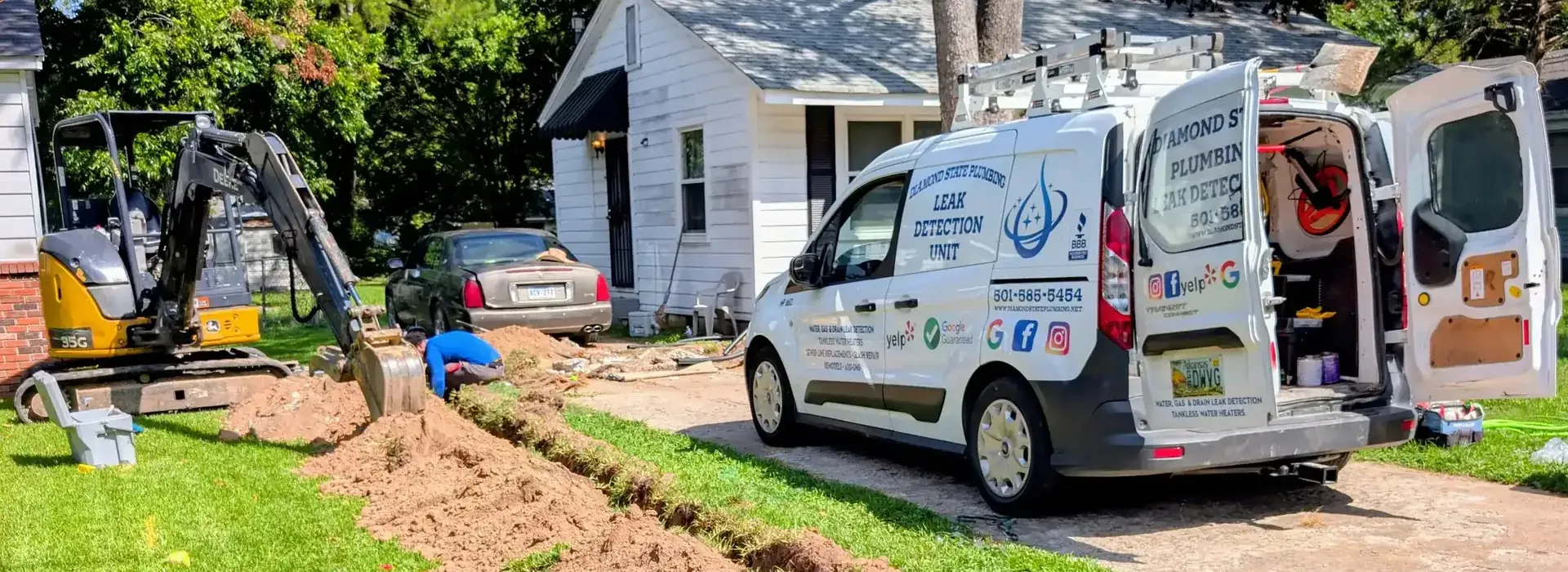
Sump Pump Installation in Little Rock, AR
In Little Rock, heavy spring storms and our clay soil push water under homes. We provide sump pump installation in Little Rock for crawlspaces and basements. That covers new pumps, replacements for worn-out units, and battery backups.
How Does Sump Pump Installation in Little Rock Work?
- We inspect your crawlspace or basement for water.
- We pick the lowest spot for the pit.
- We dig the pit and set a liner.
- We place the pump and float switch.
- We run discharge pipe away from your foundation.
- We connect power and add a check valve.
- We fill the pit with water to test it.
Signs Your Little Rock Home Needs a Sump Pump
- Standing water in your crawlspace or basement
- A musty smell inside your home
- Wet or sagging insulation under the floor
Already have a pump? Replace it if it hums without moving water, cycles nonstop, or stays quiet during storms. Acting early protects your floor joists and keeps the air in your home cleaner.
A Licensed Plumber Should Install Your Sump Pump
We match the pump to how much water your space takes on. We wire it correctly and run the discharge line so water leaves and stays out. Many Little Rock homes sit on crawlspaces instead of basements, and our plumbers carry the gear to work safely in them.
Where Your Pump Sits and Where the Water Goes
Your discharge line runs downhill and away from your foundation. Draining into your yard works, as long as water doesn't flow back toward the house or onto a neighbor's property. Most local rules don't allow sump lines to tie into your sewer line.
Little Rock clay soil drains slowly. We end the discharge line at a spot that can absorb or shed the water.
What Happens on Installation Day
Before we arrive, you can help the day go faster:
- Clear a path to your crawlspace door or basement stairs.
- Move cars or yard items near where the discharge line will run.
- Keep pets in a closed room while we work.
How long the job takes depends on what your home needs:
- Swapping out an old pump takes a few hours.
- A new pit and discharge line can take most of the day.
For a new install, we dig the pit at the lowest spot, set the liner, and place the pump. Then we run the discharge line outside and connect power. For a replacement, we pull the old pump, check the pit, and set the new one in place.
When the work is done, we clean up and walk you through your new setup. We show you where the pump sits, where the water exits, and how to test it yourself. In Little Rock, late winter is a smart time to book, before spring storm season starts.
We Test Your New Pump Before We Leave
- We fill the pit and watch the float switch start the pump.
- We check the check valve and the flow out of the discharge line.
- We confirm the pump shuts off on its own.
A healthy pump runs while it rains, then rests. Little Rock storms often knock out power, which stops a standard pump cold. We can add a battery backup and test it the same day.
Keep Your Sump Pump Working for Years
Stuck float switches and power loss are two of the most common causes of sump pump failure. A float can get caught on the pit wall or on debris. When that happens, the pump never turns on, and water rises under your home. Power loss is just as risky, since storms that bring heavy rain also knock out electricity.
A few simple habits keep your pump ready:
- Test it each spring by pouring water into the pit.
- Clear dirt, gravel, and debris from the pit.
- Check that the discharge outlet outside isn't blocked by leaves or mud.
- Listen for grinding, rattling, or humming without water moving.
- If you have a battery backup, test it along with the main pump.
In Little Rock's humid climate, check your pump for rust. A rusty pump is less reliable and more likely to fail. A yearly check from our plumbers catches worn parts before they fail. We look at the float switch, check valve, discharge line, and power connection. If your pump is near the end of its life, we'll tell you straight so you can replace it before a storm does the deciding for you.
Common Questions
You can, but sizing, wiring, and discharge mistakes are common. A pump that's too small or a check valve set backward can fail during the first storm. Our licensed plumbers avoid those problems.
Your pump goes at the lowest point where water collects, a safe distance from your footings. We check your crawlspace to find that spot before we dig.
A straight swap takes a few hours. A new pit and discharge line can take most of the day.
Yes, as long as the water flows away from your house and your neighbors. Most local rules don't allow sump lines to tie into your sewer line.
Replace your pump if it runs nonstop, makes loud noises, or skips cycles during rain. A pump near 7 to 10 years old is also due for replacement.
No, toilets drain to your sewer line, not your sump pump. Homes that need to pump waste use a sewage ejector pump instead.

Why Local Matters
For Your Plumbing

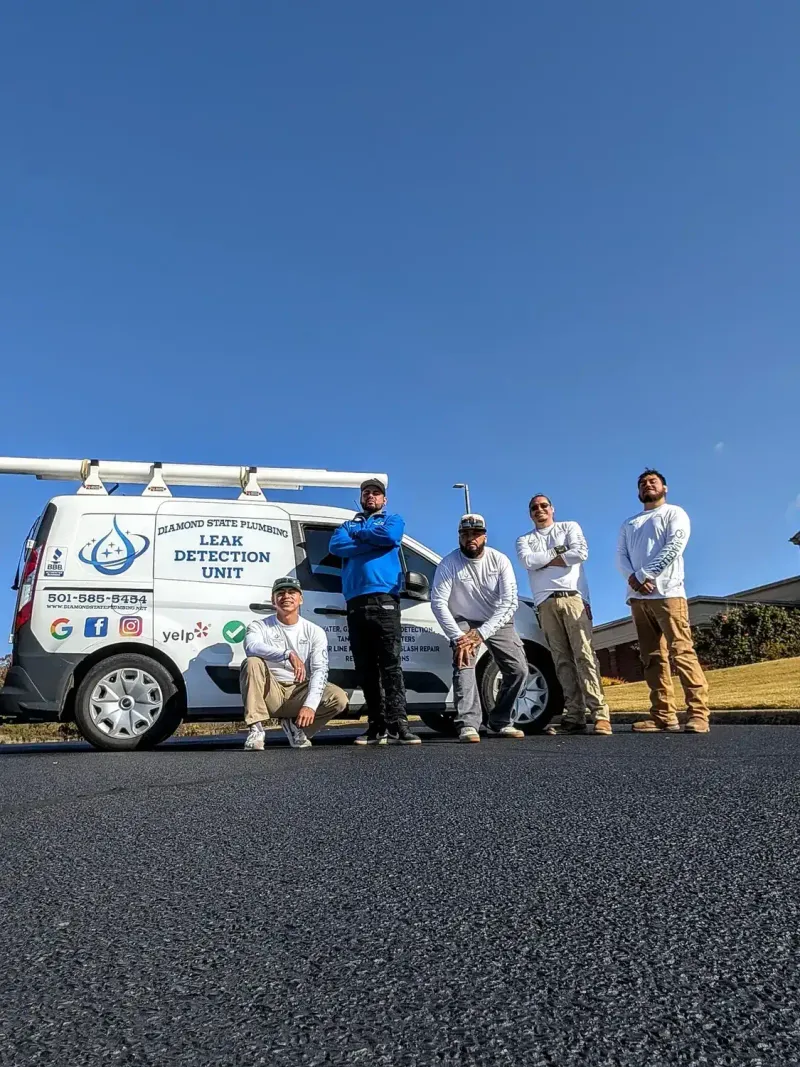


Why Local Matters
For Your Plumbing
You could call a big national chain. They'll probably charge you more and send someone who doesn't know Little Rock. Local plumbers understand that homes in Pulaski Heights have different plumbing than new builds in West Little Rock. They know which neighborhoods have older plumbing prone to mineral buildup and which areas tend to have foundation shifts that affect plumbing.
When you call a local company, you get someone who answers the phone and can usually tell you right away what's probably happening and when they can get there. No automated system. No waiting on hold for 20 minutes.
Response times are better too. A local plumber is 15 minutes away, not coming from another city. If you've got a burst pipe or sewage backing up, those minutes matter. Plus, local companies know the city inspectors, understand Little Rock's specific codes, and can get permits processed faster. When you need plumbing work done right and done quickly, local is the way to go.
 Licensed, Bonded & Insured
Get In Touch
Have any questions? Contact us today for expert services in Little Rock and neighboring communities. Let us handle your plumbing needs!