How Do I Know If My Copper Pipes Need Replacing? Signs Little Rock Homeowners Shouldn't Ignore
If you're asking, "How do I know if my copper pipes need replacing?" this guide is for you. We're Diamond State Plumbing, a family-run plumbing company in Little Rock. We'll walk you through the signs, the timeline, and your options in plain words.
Copper pipes last a long time, but not forever. Some problems are a quick fix. Others mean your whole system is wearing out, and waiting can lead to water damage.
In this guide, we cover how long copper lasts, the warning signs to check, and when a repair stops making sense. We also explain whether insurance helps and whether PEX is a good swap.
How Do I Know If My Copper Pipes Need Replacing?
- Repeat pinhole leaks, especially more than one in a year
- Green or blue crust at joints that keeps coming back after you wipe it off
- Blue-green stains in your sinks or tub
- Low water pressure at several faucets at once
- Metallic or bitter-tasting water
- Pipes close to 50 years old or older
- A water meter that moves when all your water is off
Seeing more than one of these? We offer whole-house repiping in Little Rock, and we'll tell you honestly if a repair will do the job instead.
What Is the Average Lifespan of Copper Pipes in a House?
What Changes How Long Copper Lasts
Not all copper is the same. Copper pipe comes in three main types, and the difference is wall thickness.
| Type | Wall Thickness | Where It's Used |
|---|---|---|
| Type K | Thickest | Underground water lines |
| Type L | Medium | Homes and commercial buildings |
| Type M | Thinnest | Above-ground lines in homes |
Thinner walls leave less metal to wear through over time. Water chemistry matters too. Research shows a water's pH can affect how fast copper pits from the inside. How well the pipes were installed also plays a part.
Compare your pipes' age to the 50 to 70 year range. Then check for the warning signs in the next section. Age alone doesn't mean you need new pipes, but age plus problems usually does.
How to Tell If Copper Pipes Need to Be Replaced: 7 Warning Signs
- Pinhole leaks. These are tiny holes that drip or spray. Researchers estimate about 750,000 pinhole leaks happen in U.S. homes each year (source). When one shows up, others are often forming in the same pipe.
- Blue-green stains. Health officials note that blue-green stains on sinks, tubs, or laundry can point to high copper in your water.
- Metallic or bitter taste. The CDC notes a metallic taste can be a sign of too much copper in your water (source).
- Crust or flaking at joints. Green, white, or blue buildup on fittings can point to corrosion or a slow leak.
- Low pressure in several spots. One weak faucet may be a clogged aerator. Weak flow at several faucets can mean a blockage or leak in the pipes.
- Leaks that keep coming back. If you've patched a pipe and keep finding new leaks, the pipes are likely breaking down.
- Pipe age. Copper close to 50 years old or older is near the end of its normal life.
- Turn off every faucet, toilet, and water appliance in your home.
- Write down the number on your water meter.
- Wait one to two hours without using any water.
- Check the meter again.
Do Green Copper Pipes Need to Be Replaced?
Normal Aging vs. a Problem
Here's what we look for when we check green spots on copper.
| Normal Aging | Likely a Problem | |
|---|---|---|
| Where you see it | Evenly along the pipe | Bunched at joints and fittings |
| How it feels | Dry and smooth | Damp, crusty, or flaky |
| Does it come back? | Stays the same | Returns after you wipe it off |
| What it means | Surface color change | A slow leak or worn pipe |
When Should I Repipe My Copper Pipes Instead of Repairing Them?
| Repair If... | Repipe If... |
|---|---|
| You have one leak in one spot | You've had two or more leaks in a year |
| The rest of your pipes look clean and dry | You see corrosion at several joints |
| Your water pressure is normal | Pressure is low at several faucets |
| Your pipes are well under 50 years old | Your pipes are near or past 50 years old |
Your price depends on your home's size, number of fixtures, pipe material, and how easy the pipes are to reach. We give you a clear quote before we start. We also offer financing on every job.
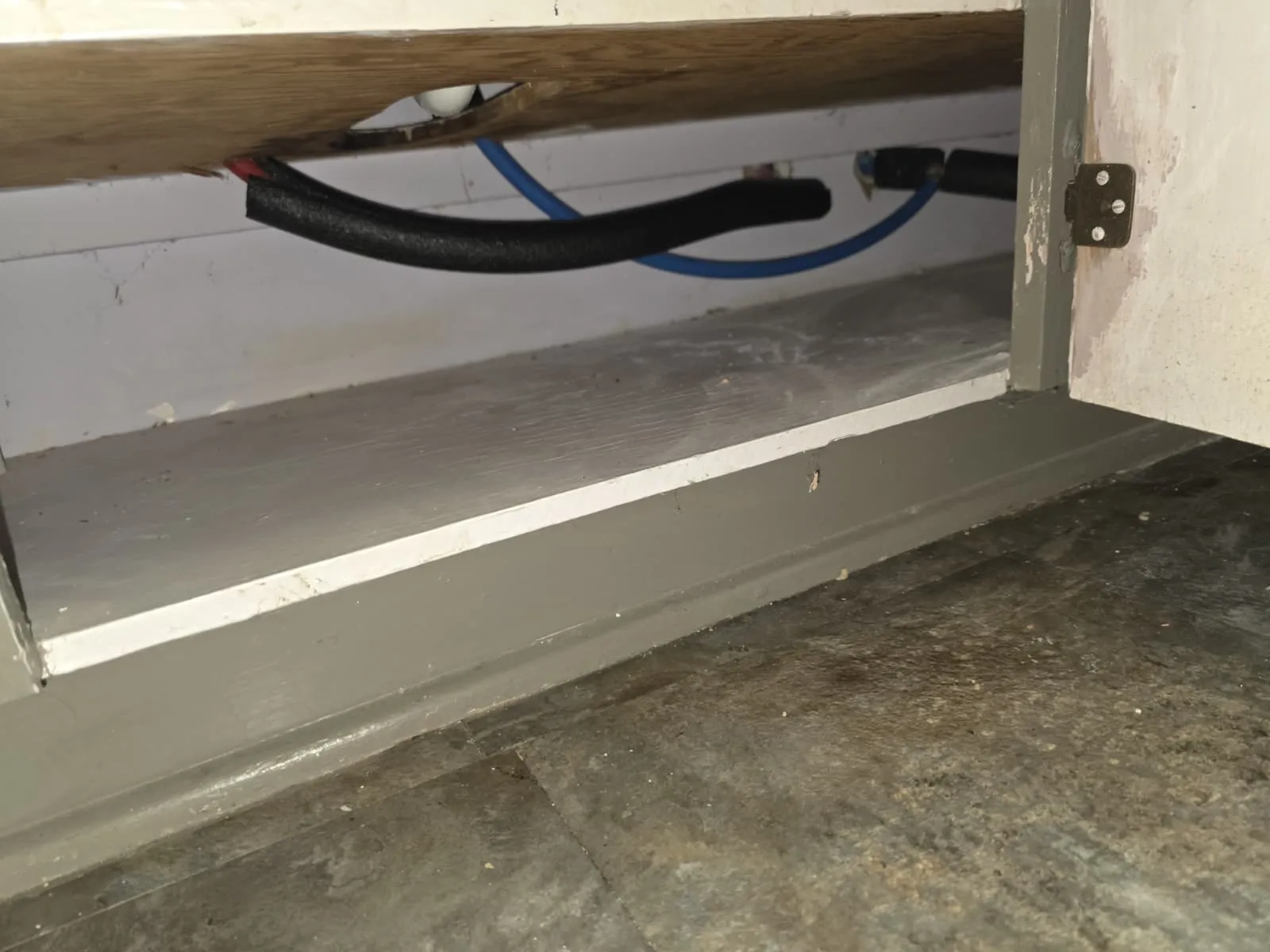
Is It Worth Replacing Copper Pipes With PEX?
| PEX | Copper | |
|---|---|---|
| Material cost | About $0.40 to $2 per foot | About $2 to $8 per foot |
| Install | Flexible, fewer joints, faster | Rigid, more fittings, more labor |
| Freezing | Less likely to burst | Can burst if it freezes |
| Sunlight | Breaks down with UV exposure | Not affected by sunlight |
| Expected life | Around 40 years | Around 50 to 70 years |
Cost figures are national averages from Angi. Life expectancy comes from home inspection charts.
PEX can't sit in sunlight. UV light weakens it over time, and the damage isn't visible. Any PEX in a sunny spot needs a UV-blocking sleeve or cover.
Not sure which material fits your home? We'll look at your setup and walk you through your options for copper pipe replacement.
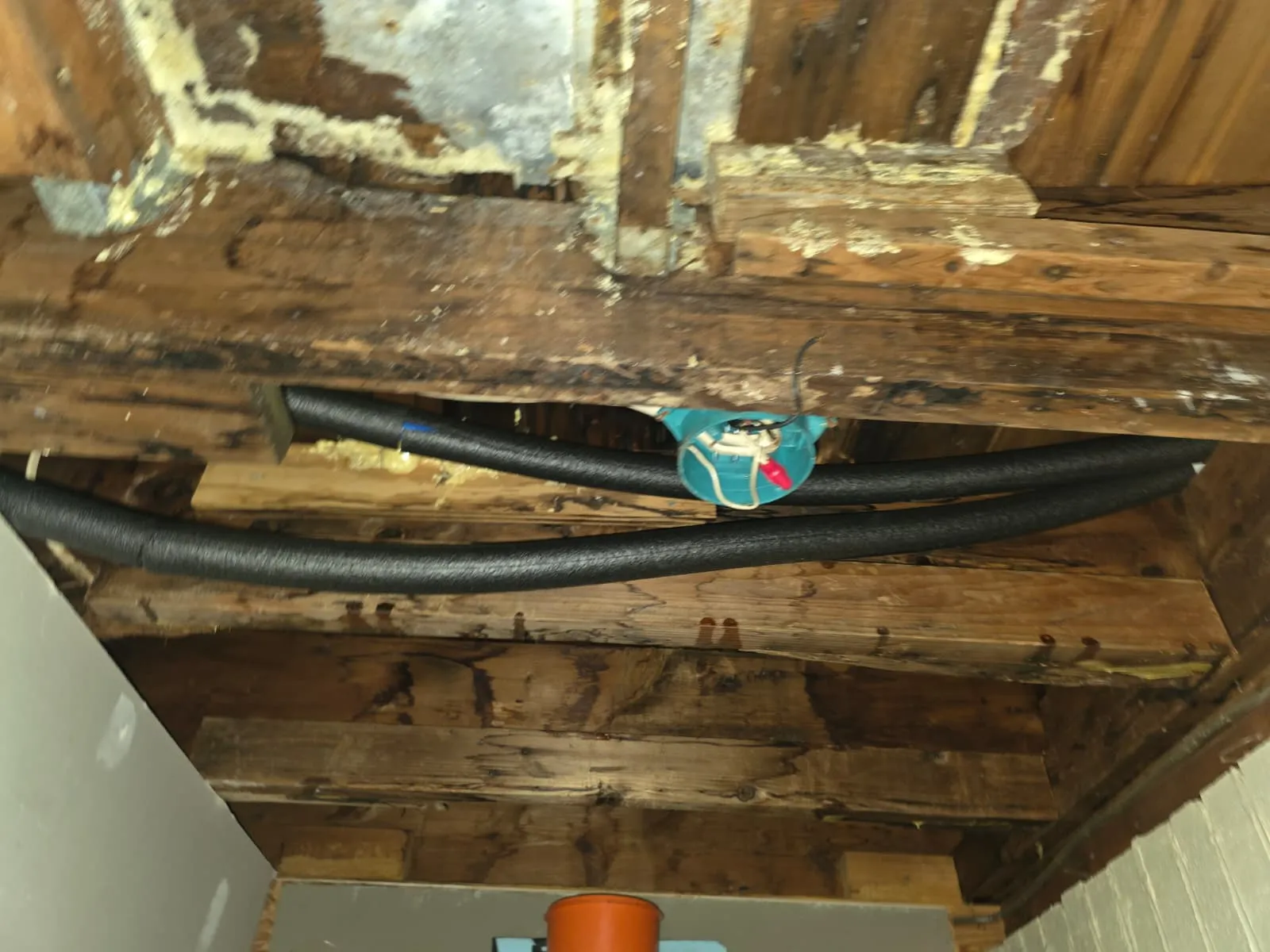
Will Insurance Pay to Repipe a House?
- Water that suddenly and accidentally leaks from your plumbing
- Damage from frozen pipes
- Repairs to floors, walls, and belongings hurt by a covered leak
- Fixing or replacing the pipe that caused the leak
- Pipes that wore out or corroded over time
- Slow leaks the insurer sees as a maintenance issue
- Take photos of the leak and the damage before cleanup.
- Keep every repair invoice and past inspection record.
- Ask your plumber for a written report on the cause.
- Call your insurance agent with those details in hand.
When we find a leak, we tell you what caused it and put it in writing. That gives you clear facts to share with your agent.
Copper Pipe Problems in Little Rock Homes
Why Little Rock Homeowners Call Us
- We're family-run, led by Angel Bahena, a licensed master plumber.
- Our plumbers are licensed in Arkansas and background-checked.
- We tell you what we're doing as we go.
- Getting another quote? Bring it to us, and we'll tell you straight if it's fair.
- We offer financing on every job.
Common Questions
Most homes only need to replace copper pipes once every 50 to 70 years. There's no set schedule. Replace them when they reach that age range and start showing signs like repeat leaks or corrosion.
Yes, if the problem is limited to one area. Replacing one section costs much less than a whole-house repipe. If leaks keep showing up in different spots, a full repipe usually makes more sense.
Most repipes take a few days for smaller homes. Larger homes with more bathrooms and fixtures can take longer. We give you a timeline before we start so you can plan around it.
Yes. Central Arkansas Water's latest report shows copper at the tap well below the federal limit. If you see blue-green stains or taste metal, the copper is most likely coming from your home's pipes.
Yes. We offer financing on every job, including full repipes. That way you can fix the problem now instead of waiting on another leak.
Yes. Bring it to us first. We'll tell you straight whether we can beat it or whether their price is already fair.
Get In Touch
Have any questions? Contact us today for expert services in Little Rock and neighboring communities. Let us handle your plumbing needs!